

Stories that LEAD
What we are learning, including the parts that did not work.
A young foundation, working in public. Notes on Idaho scholar-athletes, on getting girls into sport and keeping them there, and on the things we got wrong the first time.
Looking for the individual stories instead? IX Stories is the collection of first-person accounts — what stood in the way, what we funded, and what happened next, in their words rather than ours.
Read IX Stories
We publish what we cannot claim
Our impact page has a list of things we do not know how to prove. Putting it there was the most useful decision we have made.
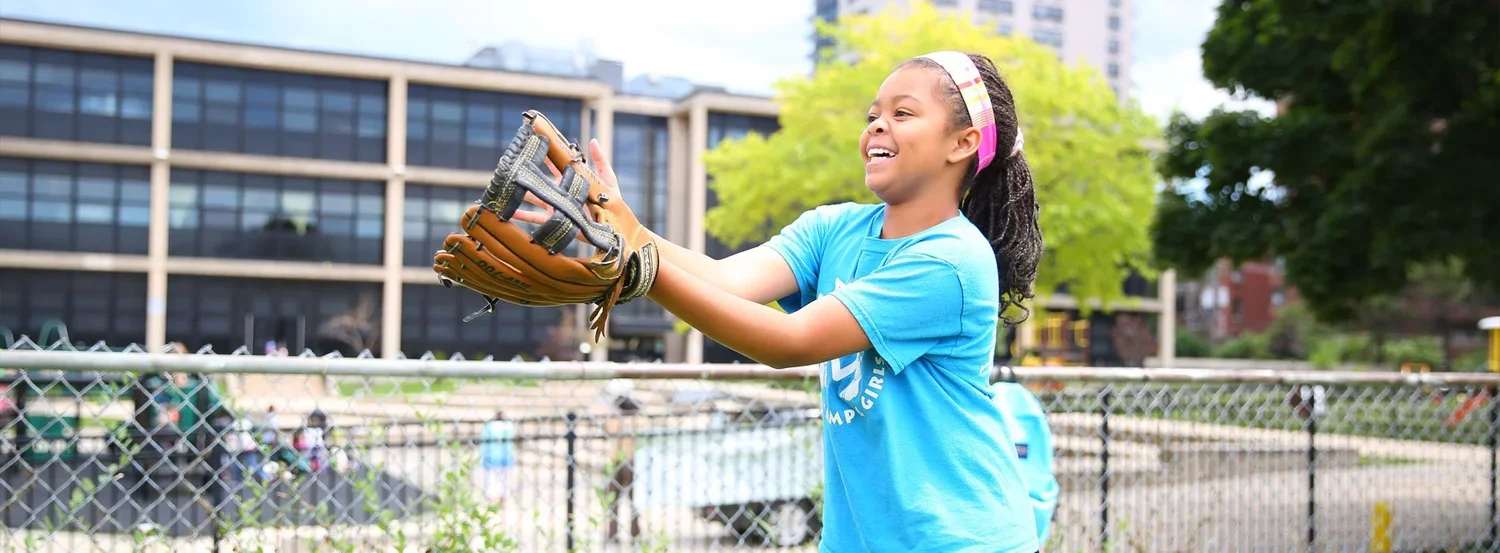
What $115 actually buys
It is registration season in Idaho. Here is the arithmetic of one girl's season, what a grant covers, and the number we still cannot tell you.

Tara VanDerveer's first head coaching job was in Idaho
Before Stanford, before three national championships and Olympic gold, she coached in Moscow, Idaho. Then she came back, forty-six years later, for a first-year gala.
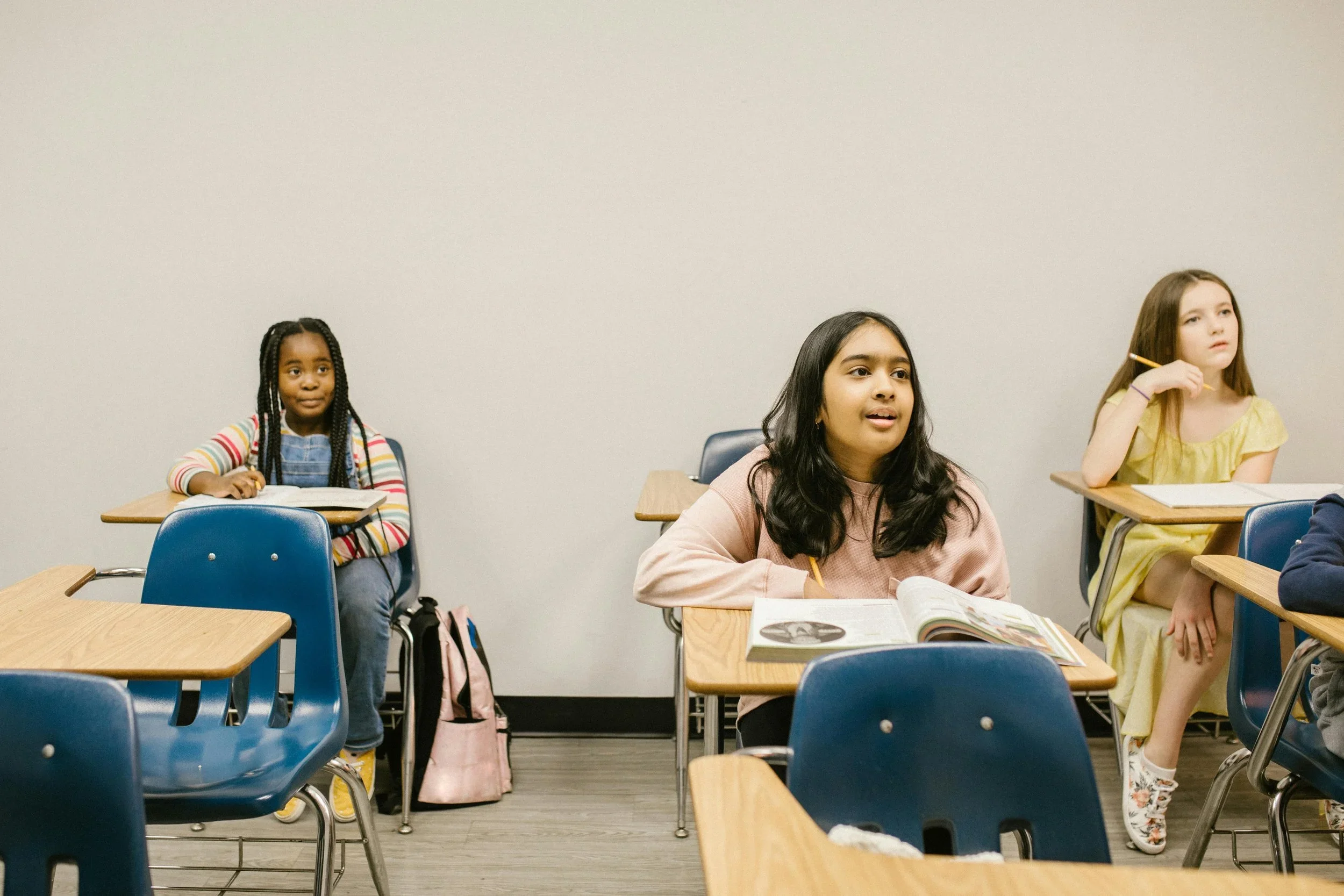
What LEAD Means, and What a Strong Application Actually Looks Like
Four criteria, explained the way a reviewer reads them, with the common mistakes that separate a finalist application from a recipient application.
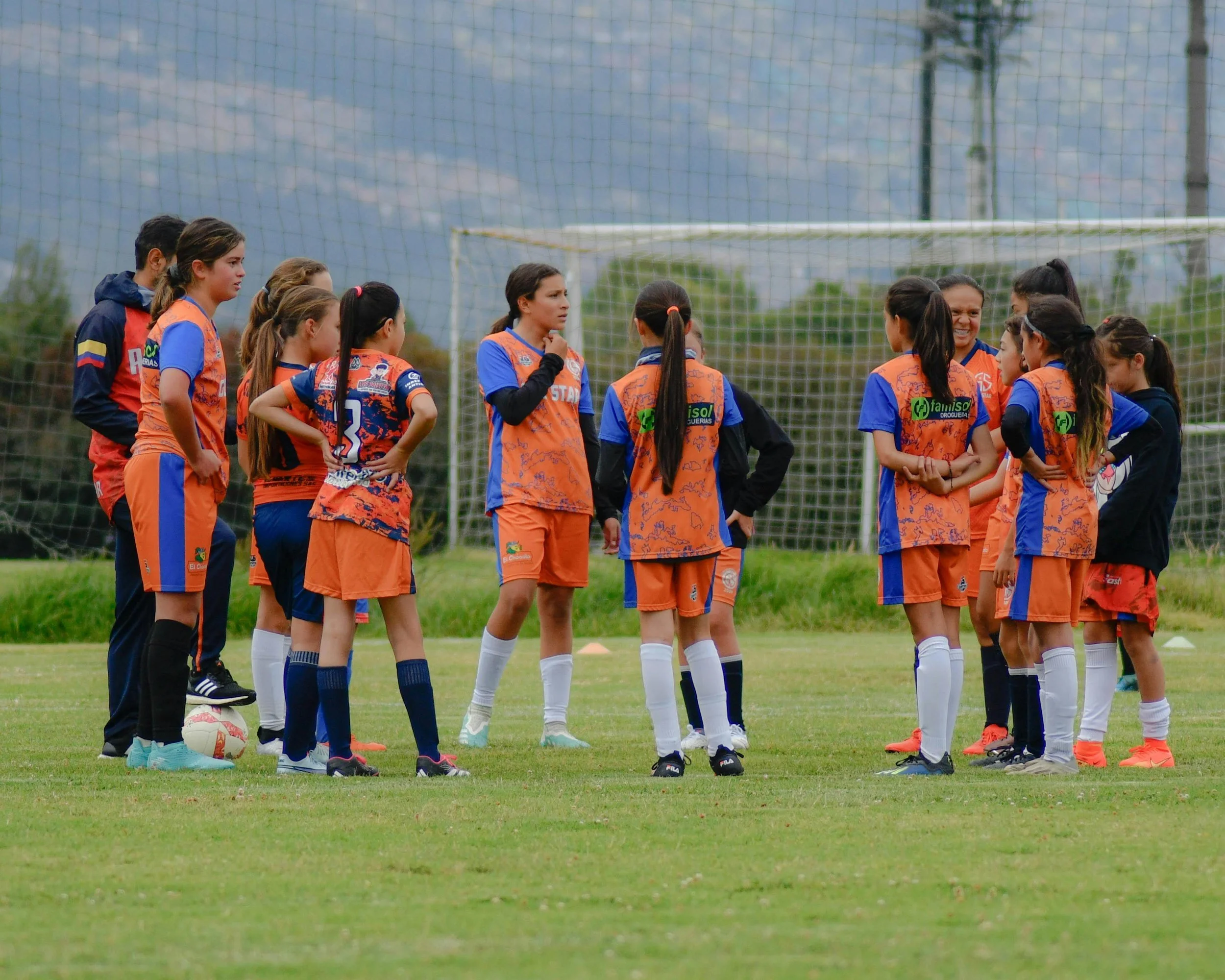
From Mountain Home to Statewide: The Next Chapter of the LEAD Scholarship
What began in Mountain Home is growing into a statewide scholarship effort designed to recognize and support scholar-athletes across Idaho.
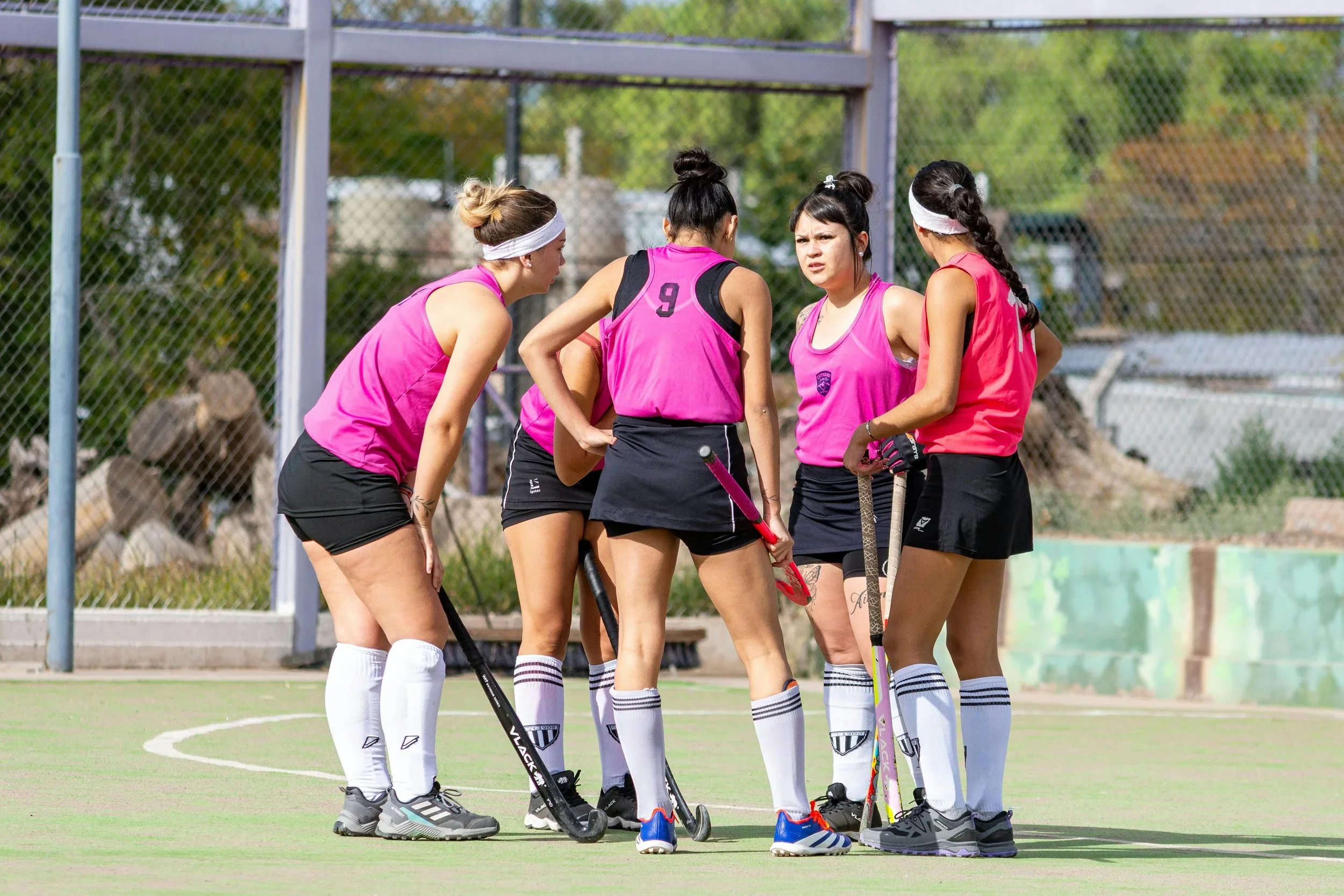
94% of Female C-Suite Leaders Played Sports. Here's What That Number Really Means.
It is the most-quoted statistic in women's sport. It is also eleven years old, drawn from 400 self-selected executives, and it does not prove what people use it to prove.
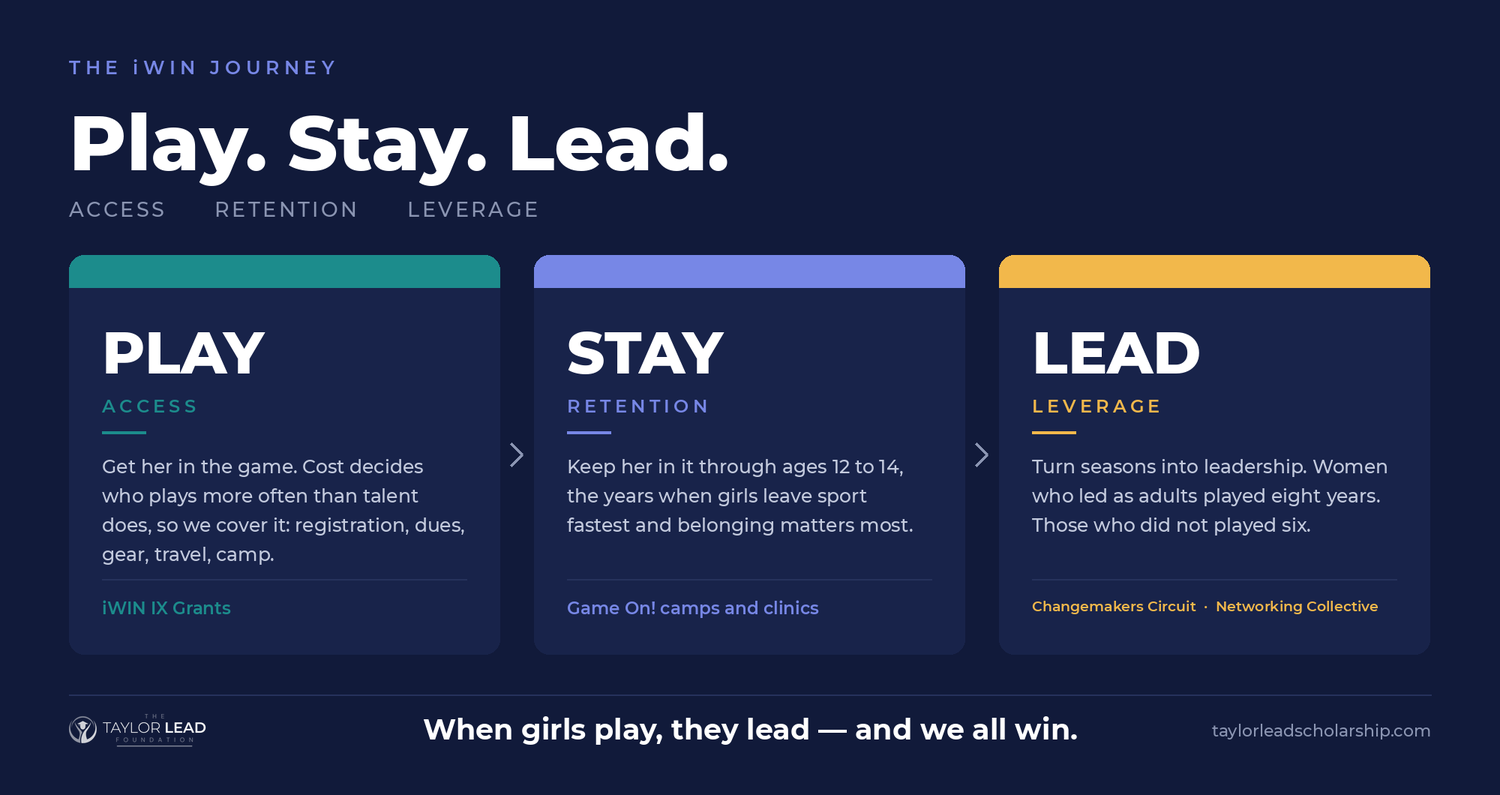
The Case for Investing in Girls' Sports, Stated in Numbers Rather Than Conviction
Four figures explain why this organization exists, why it is built in three stages, and which of our claims are not yet supported by evidence.
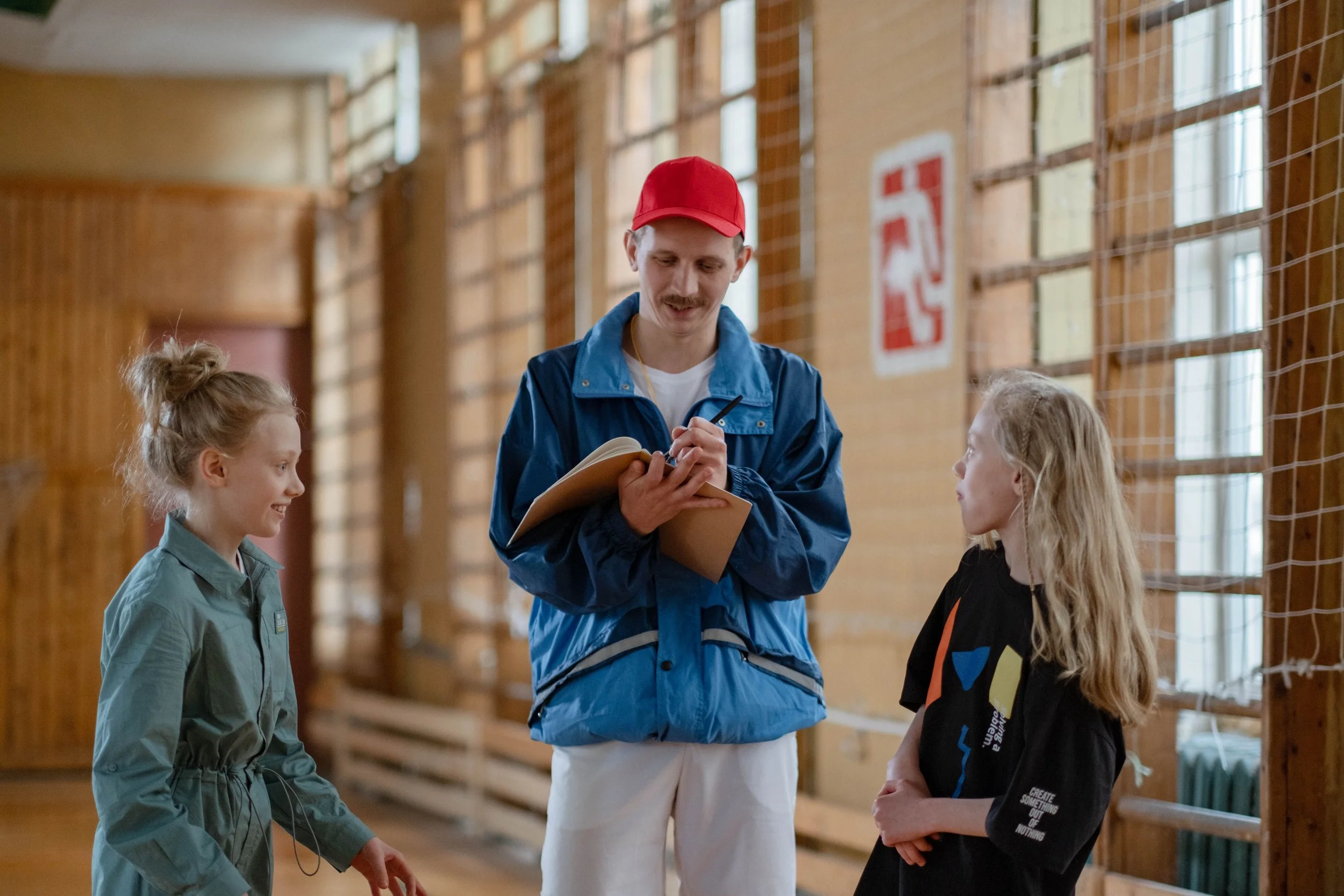
A Counselor's Guide to the LEAD Scholarship, and to the Students Who Will Not Apply
The students most likely to qualify for this scholarship are often the least likely to submit. Here is the timeline, the criteria, and the specific intervention that changes that.
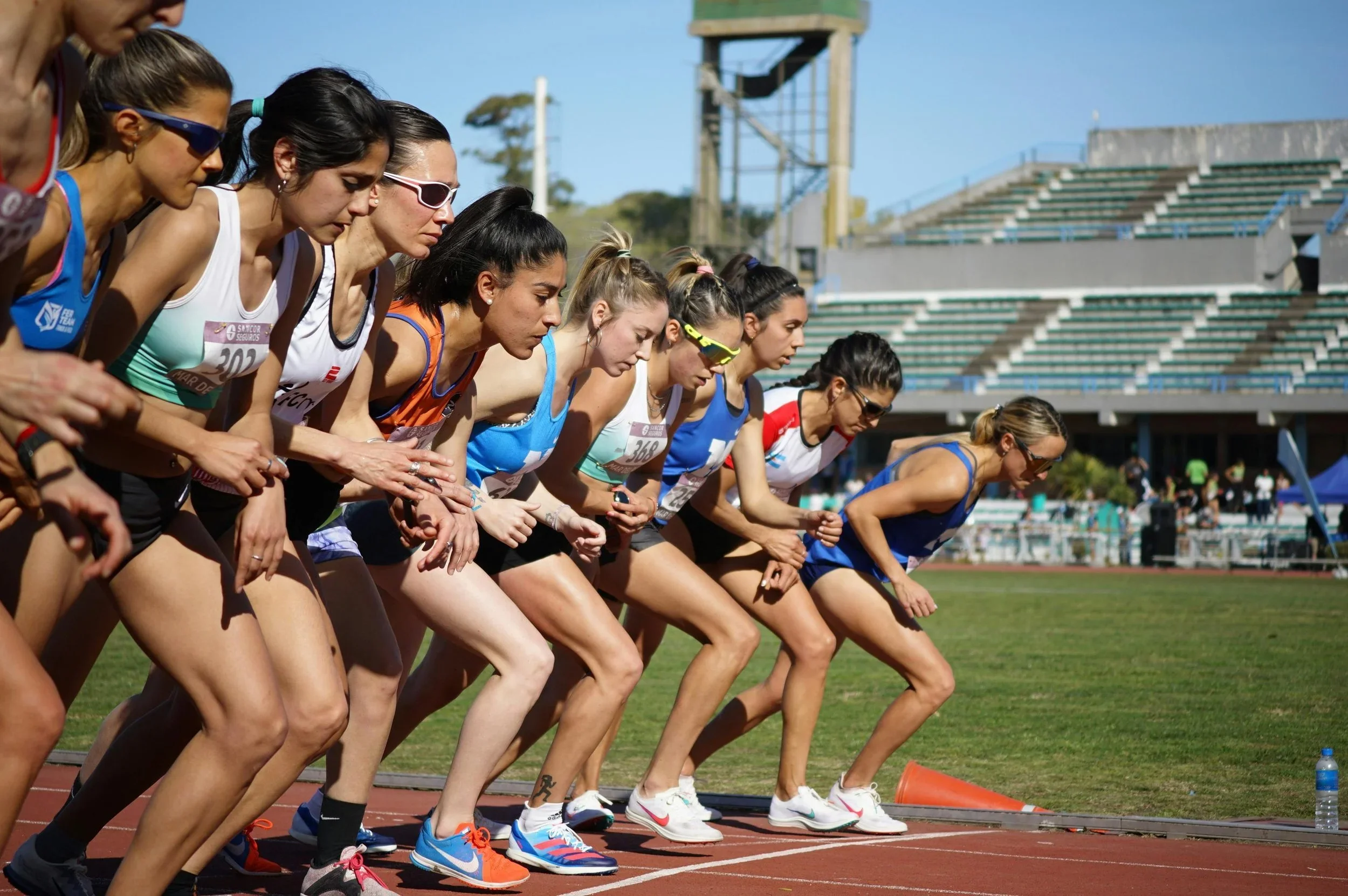
"If She Can See It, She Can Be It" Is a Slogan. Here Is the Part That Is Measurable.
Representation is the most repeated idea in girls' sports and one of the least rigorously supported. Here is what the evidence carries, what it does not, and what to build anyway.

Camps Are Not About the Summer. They Are About Ages 12 to 14.
The case for girls' sports camps is usually made in adjectives. Made in numbers, it is narrower, more specific, and considerably more urgent.

The Second-Biggest Barrier in Girls' Sports Is an Adult Who Did Not Show Up
Allyship in girls' sports is usually described in feelings. The national data describes it in behaviors, and one of them ranks as the second-most-reported barrier women name.
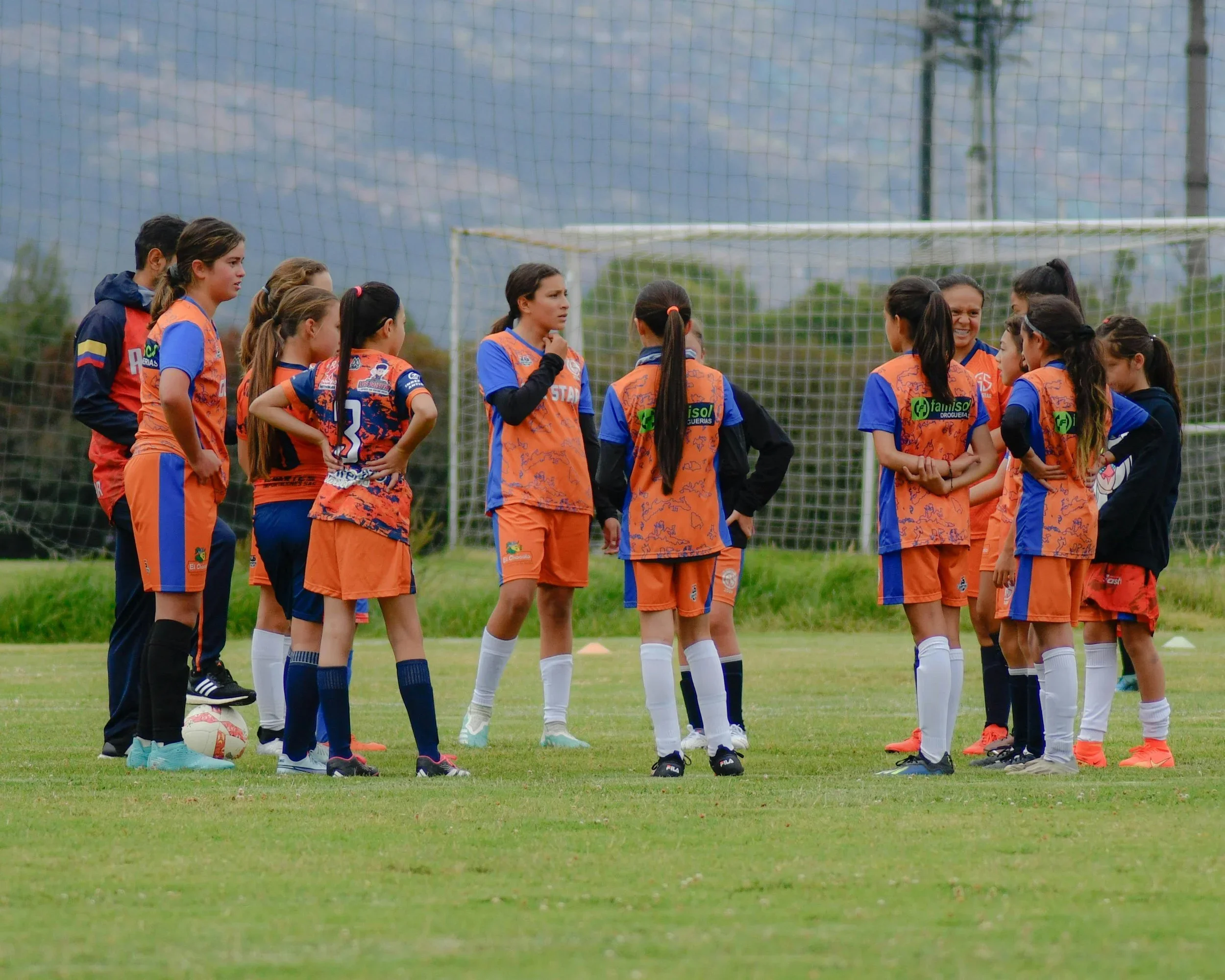
From One Gym in Mountain Home to Every District in Southern Idaho
Eleven years in one town, then fourteen scholars in one year. Here is what statewide expansion actually changes, on what timeline, and what it does not change.
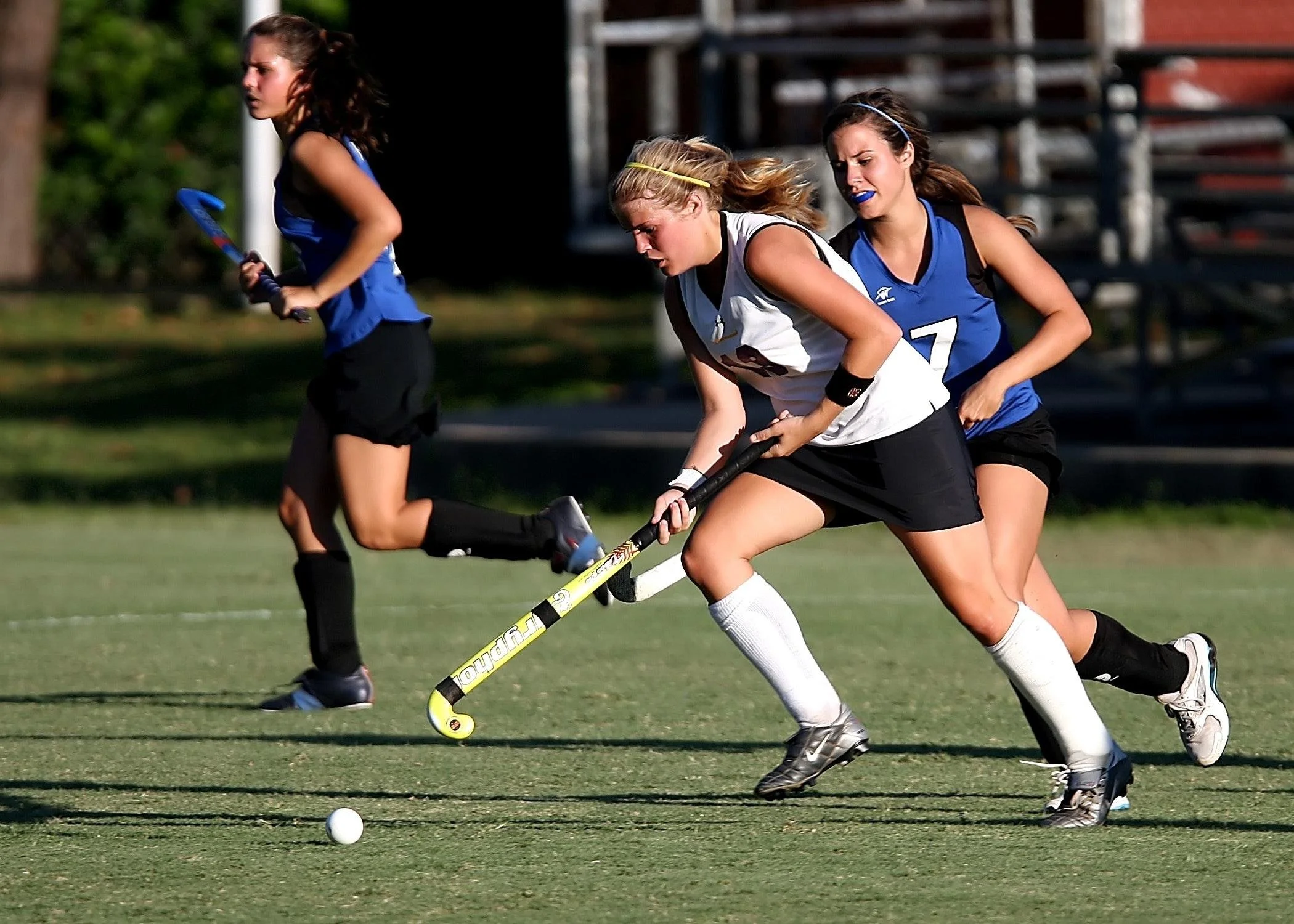
Girls leave sport twice as fast as boys. Nobody has measured it in Idaho.
Two national organizations disagree by almost a factor of two on the most important number in the field. Neither has ever looked at this state.

Five years after a $1,000 scholarship
In 2021 the Taylor family funded an Idaho senior out of their own pockets. She just graduated from Gonzaga and commissioned as an officer in the U.S. Army.
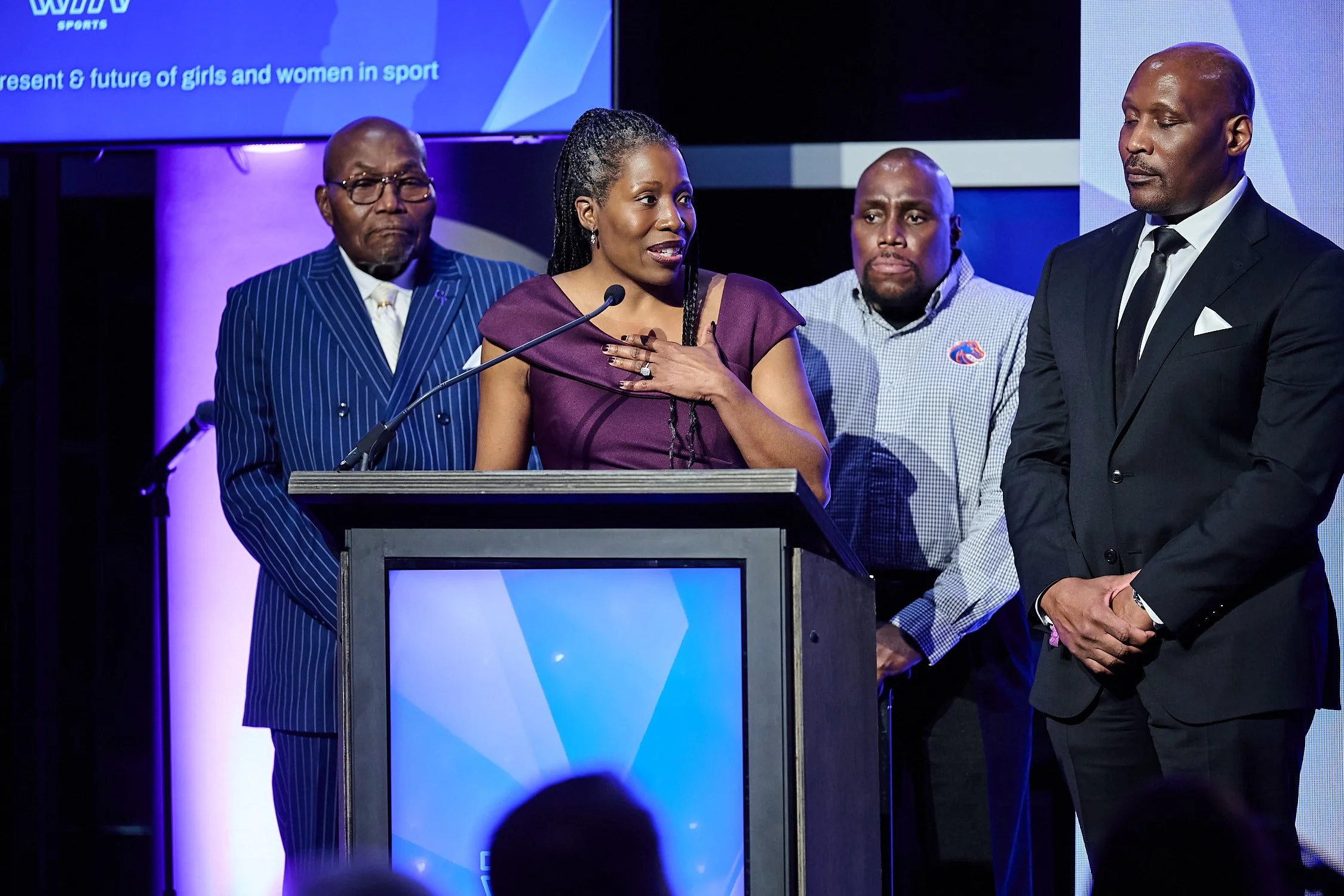
Inside the Change Make*Hers Gala: What $250K+ and 308 People Tell Us About What Idaho is Ready For
A first-year gala for a two-year-old foundation sold out and raised more than a quarter of a million dollars. That is a fact about Idaho, not about us.